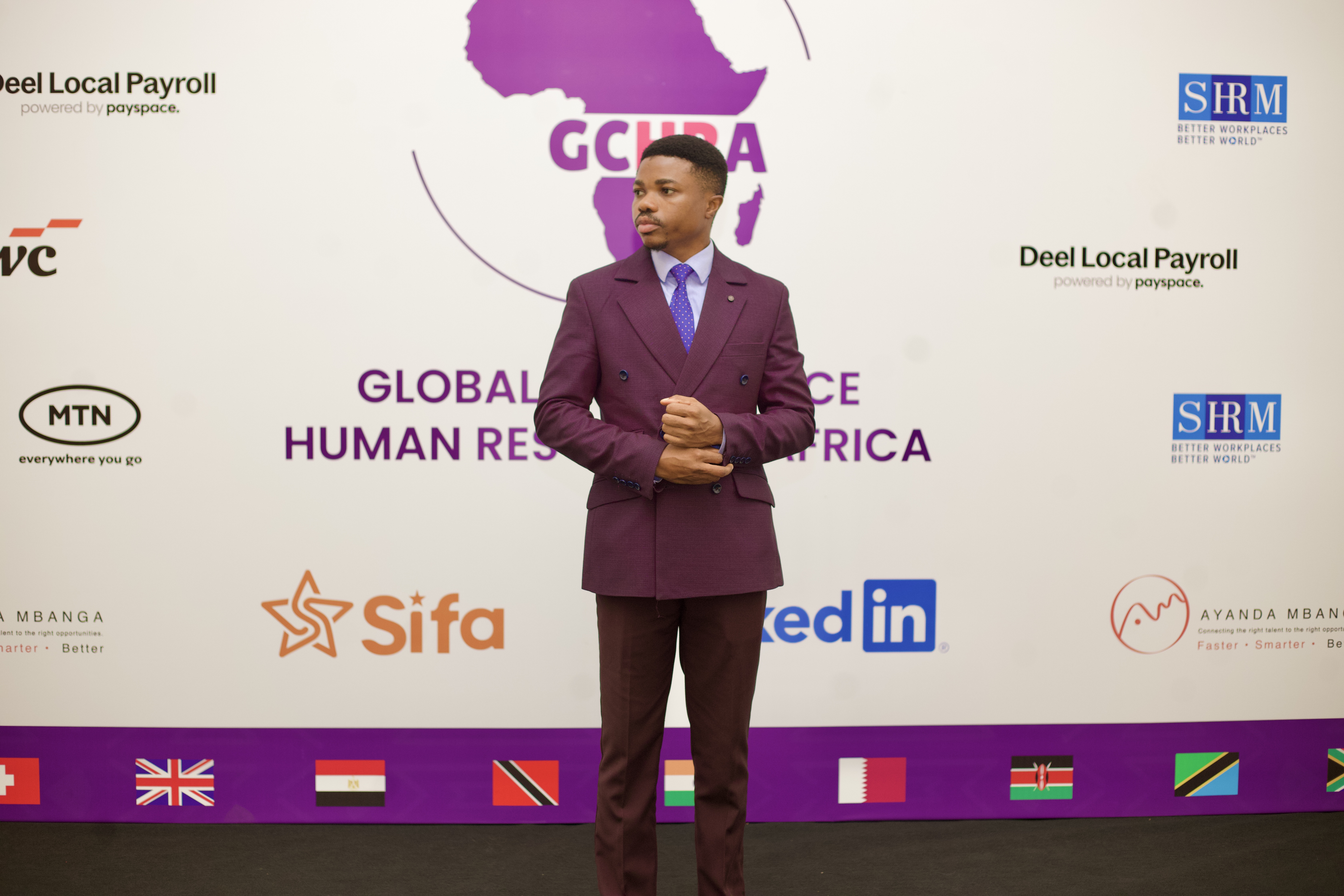
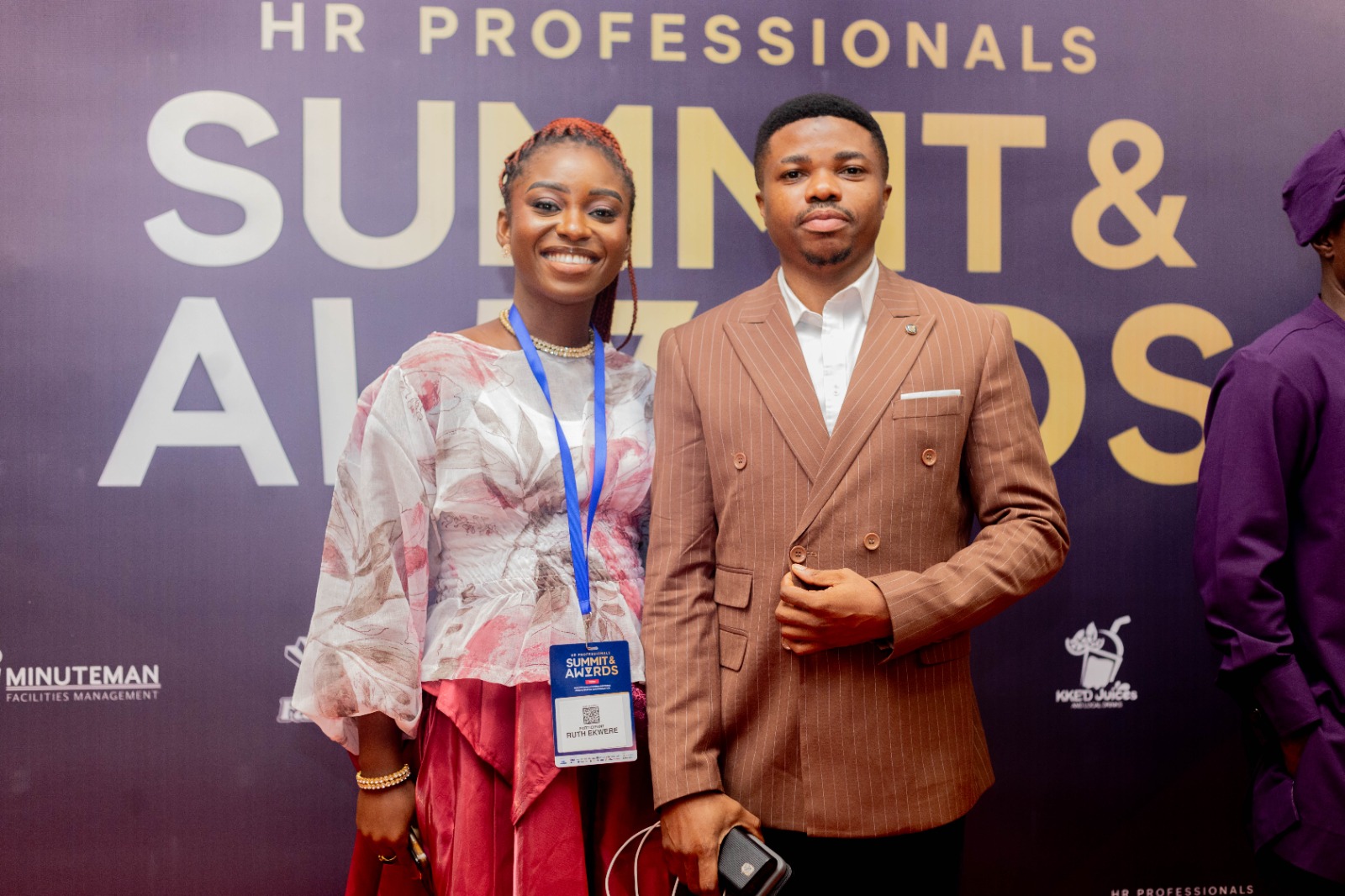
2026 HR Professionals Summit & Awards
Perhaps the greatest challenge facing HR professionals is the need to move beyond administrative relevance towards strategic influence.

We have spent too much time discussing how HR can manage people better. Perhaps it is time to ask a more uncomfortable question: How is HR contributing to making organisations more valuable, competitive and memorable?
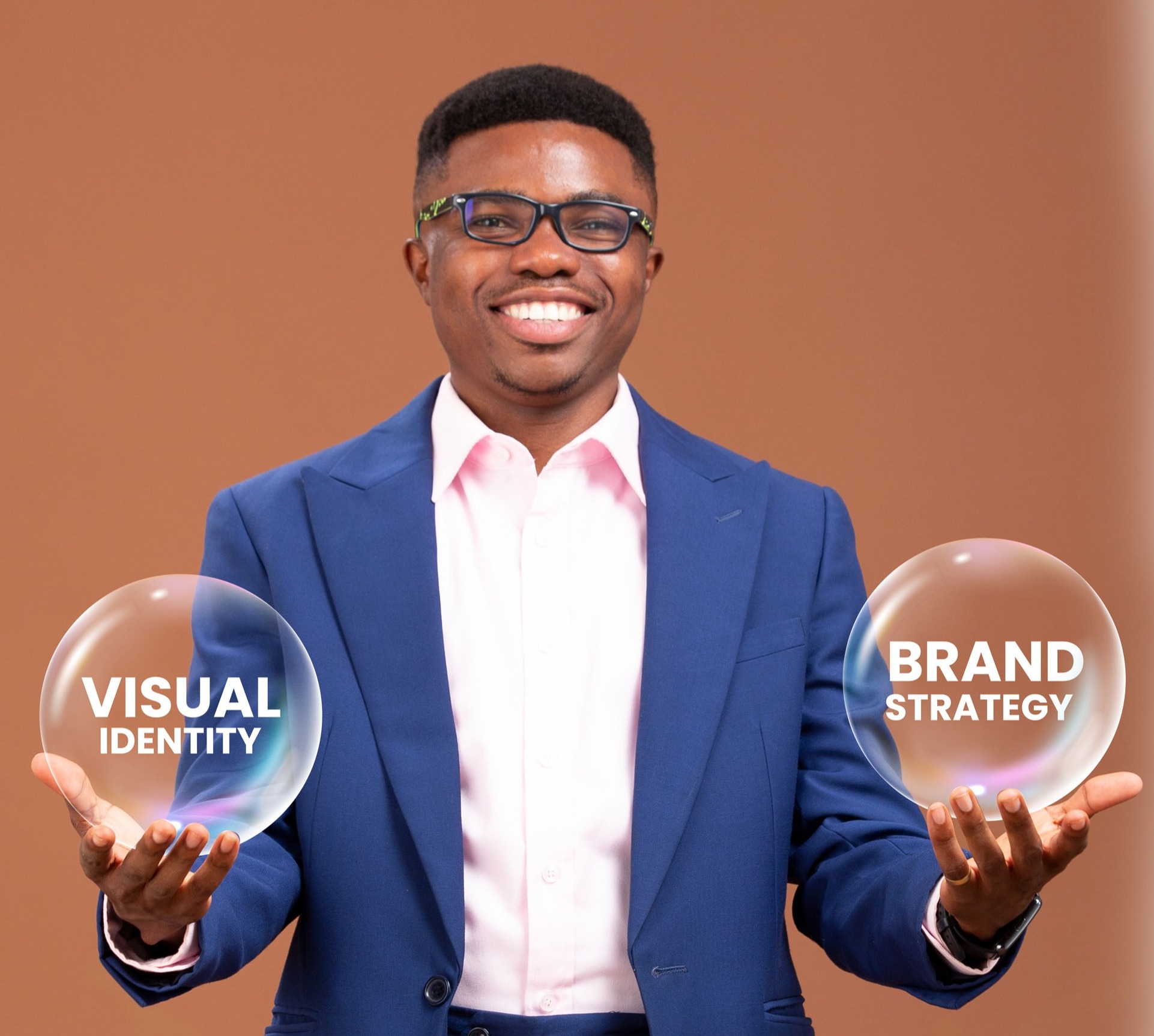
As a brand strategist, I have come to appreciate that a brand is not simply what an organisation communicates to the market. It is what people experience when they interact with that organisation. This means that employees are not merely resources responsible for delivering a brand promise; they are central to the brand itself.
Organisations can invest millions in corporate identity, advertising, digital transformation and sophisticated marketing campaigns. However, if employees do not understand the brand promise, managers do not demonstrate its values and internal systems do not support the desired customer experience, the organisation has a serious brand management problem. Beautiful branding cannot compensate for a dysfunctional organisational culture.
This is why I believe HR must be recognised as a strategic brand management function. Recruitment, employee engagement, leadership development, performance management and organisational culture all influence how a brand is perceived internally and externally. The employee experience eventually becomes part of the customer experience. You cannot consistently promise exceptional customer service while creating an environment in which employees are disengaged, undervalued or poorly equipped to deliver.
Another important issue is the relationship between leadership, culture and technology. I strongly agree with the argument that organisations must not digitise chaos. Artificial intelligence and digital transformation can improve organisational efficiency, but technology cannot independently correct poor leadership, broken processes or a dysfunctional culture. In fact, it can amplify existing organisational weaknesses. Before organisations automate their processes, they must first examine whether those processes deserve to be automated.
Perhaps the greatest challenge facing HR professionals is the need to move beyond administrative relevance towards strategic influence. HR should be part of conversations about organisational positioning, competitive advantage, reputation, innovation and business growth. People strategy cannot remain disconnected from corporate strategy because the ability to deliver business promises ultimately depends on organisational capability.
My concern is that many organisations continue to treat brand management as the responsibility of marketing and people management as the responsibility of HR. This artificial separation creates strategic gaps. Marketing develops the promise, leadership provides direction, HR embeds the desired behaviours and organisational culture, while operations ensure that the promise is consistently delivered.
These functions must work together because the brand is the cumulative outcome of their decisions and actions.
My challenge to HR professionals is simple: Stop asking only how people can serve the organisation better. Start asking how the organisation can create an environment where people become its greatest competitive advantage.
Ultimately, people do not just work for brands. People are the brand.
The future of competitive organisations will not be determined by their marketing budgets alone, but by the alignment between what they promise, what their leaders practise and what their people consistently deliver.
A thought-provoking summit, meaningful conversations and an important reminder that people, strategy and technology must work together to create sustainable organisational value.