The Future of Corporate Branding in Ghana
The board must own the strategic direction. Management must translate that direction into organisational behaviour. Marketing must ensure that the brand promise is meaningfully expressed and experienced across every touchpoint.

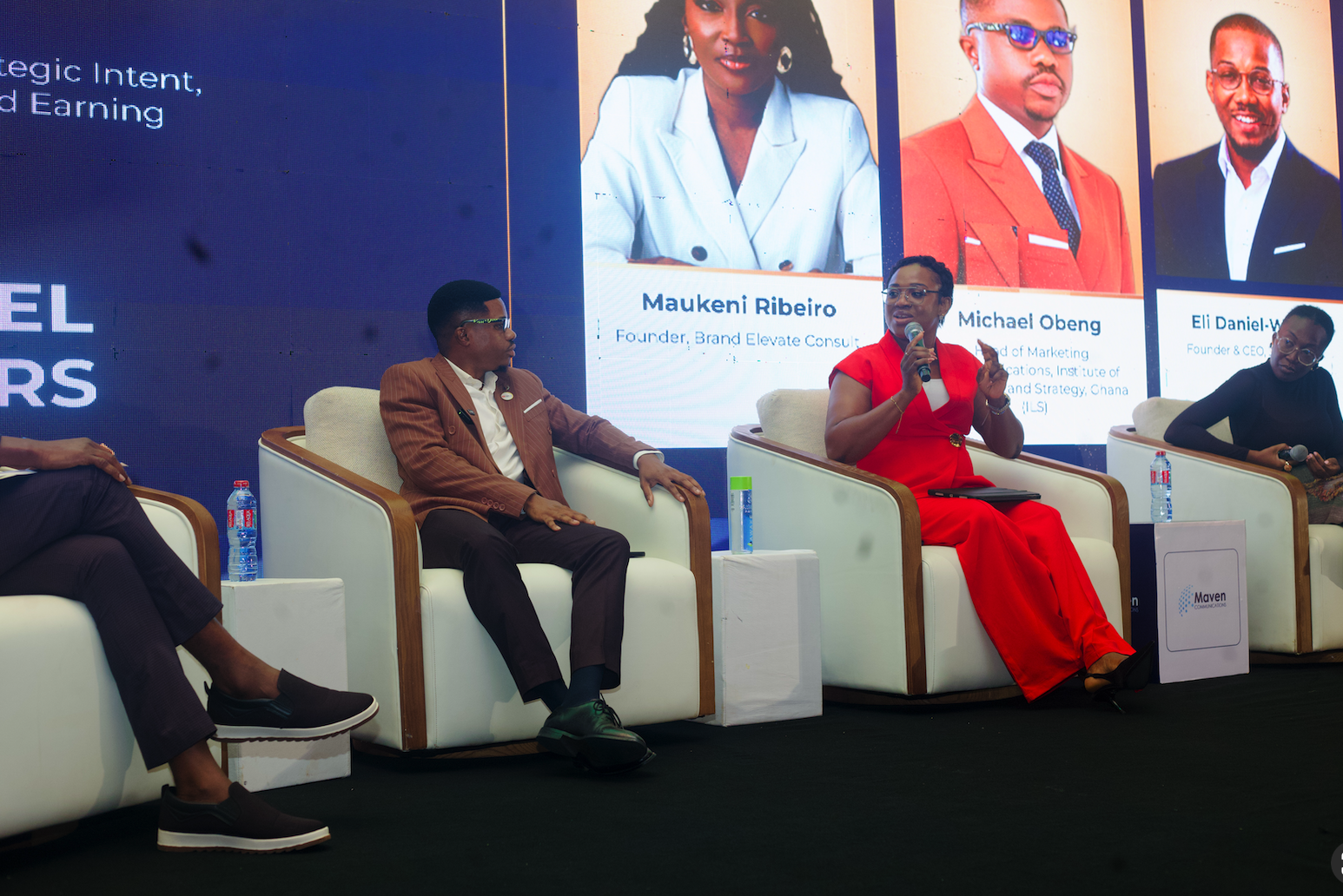
This was the central argument I brought to the panel at the Ghana Corporate Brands Conference & Honours 2026, held at the Kempinski Hotel, Accra, under the theme Building Brands with Strategic Intent, Inspiring Excellence, and Earning Lasting Trust.
My position is that corporate Ghana has become increasingly obsessed with branding as a visibility exercise. We want better logos, bigger campaigns, attractive websites, impressive brand guidelines and stronger social media presence. Yet, we often neglect the discipline that makes brands valuable: strategic brand management.
The problem is not necessarily that our organisations do not know how to create brands. It is that many struggle to manage the promises those brands make.
Consider the contradictions:
We invest in brand awareness but neglect brand experience.
We communicate customer-centricity but design processes around organisational convenience.
We promise excellence but tolerate inconsistent service delivery.
We invest in corporate reputation but fail to manage the risks that threaten it.
We pursue brand visibility without sufficiently investing in brand equity.
A brand cannot be stronger than the organisation managing it.
Brand management is not the responsibility of the marketing department alone. It requires leadership commitment, organisational alignment, consistent execution, customer understanding and deliberate investment in building and protecting brand equity.
The board must own the strategic direction. Management must translate that direction into organisational behaviour. Marketing must ensure that the brand promise is meaningfully expressed and experienced across every touchpoint.
We do not need more organisations that look like strong brands. We need more organisations that are managed like strong brands.
Beyond my contribution, the conference provided a valuable platform for diverse perspectives and insights from an impressive line-up of speakers and panellists. I particularly appreciate the contributions of Dr Jeff Bassay, Michael Abbiw and Mr Donald Gwira, alongside my fellow panellists: Alexandra O. Naa Korkoi Mensah, Dr Joyce Manyo, Eli Daniel-Wilson, Jannice Tagoe, Eunice Asantewaa Ankomah, Maukeni Ribeiro and Samuel Ocloo-Dzaba. The diversity of professional experiences made the conversations particularly enriching.
My sincere appreciation to Maven Communications, the organisers, and the knowledge and event partners for creating this platform and bringing together professionals committed to advancing corporate branding in Ghana.
I also thank the audience and everyone who participated in the conversations.
My biggest takeaway remains this: until corporate Ghana moves branding from the marketing department to the boardroom, we will continue to spend money building brand visibility without necessarily building enduring brand value.
The future of corporate branding is not just about building brands. It is about learning how to manage them.